Work / Case study
ZeDI
A Nigerian money app built on one rule: money goes from your wallet into a named expense before you can spend it. You allocate first, then spend.
Condition: money has to be exact. Every kobo is recorded on both sides of a ledger, every payment is confirmed once with a PIN, and a payment provider's callback is never trusted on its own.
- Engagement
- 3O1Atech product
- My part
- Wrote most of the code across the API, web app, Expo mobile app and admin console
- Status
- Early access with invited testers
- Stack
- TypeScript, NestJS, PostgreSQL, Prisma, BullMQ, React, Expo, Next.js
- Links
- zedisite.301atech.com (code is private)
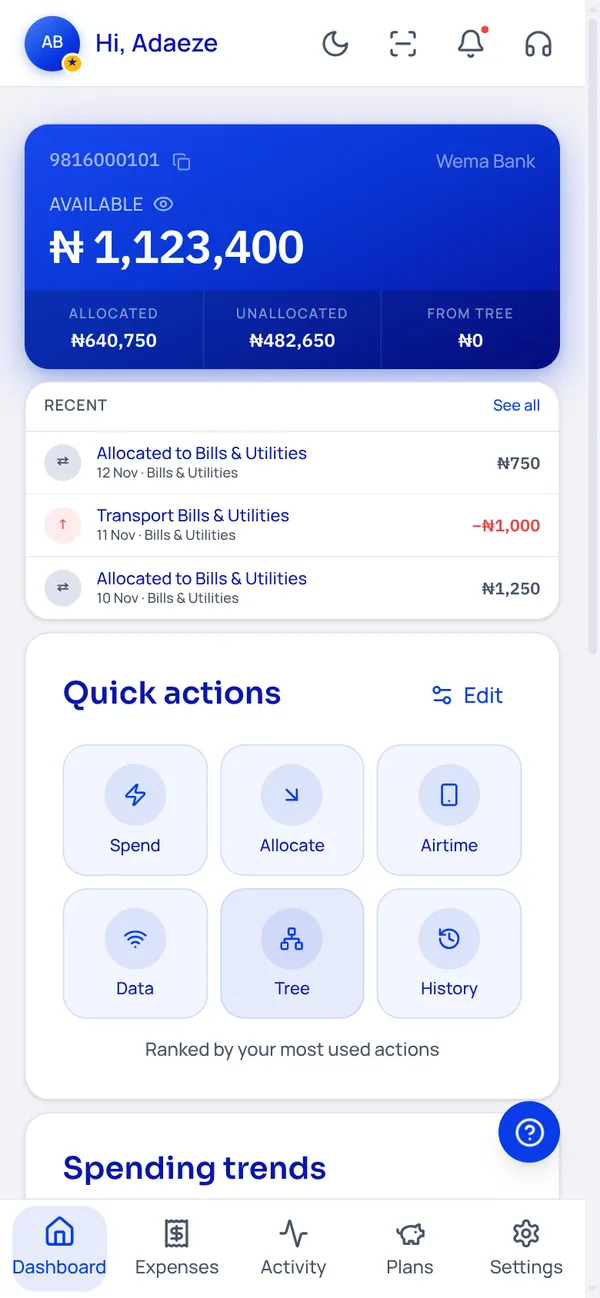
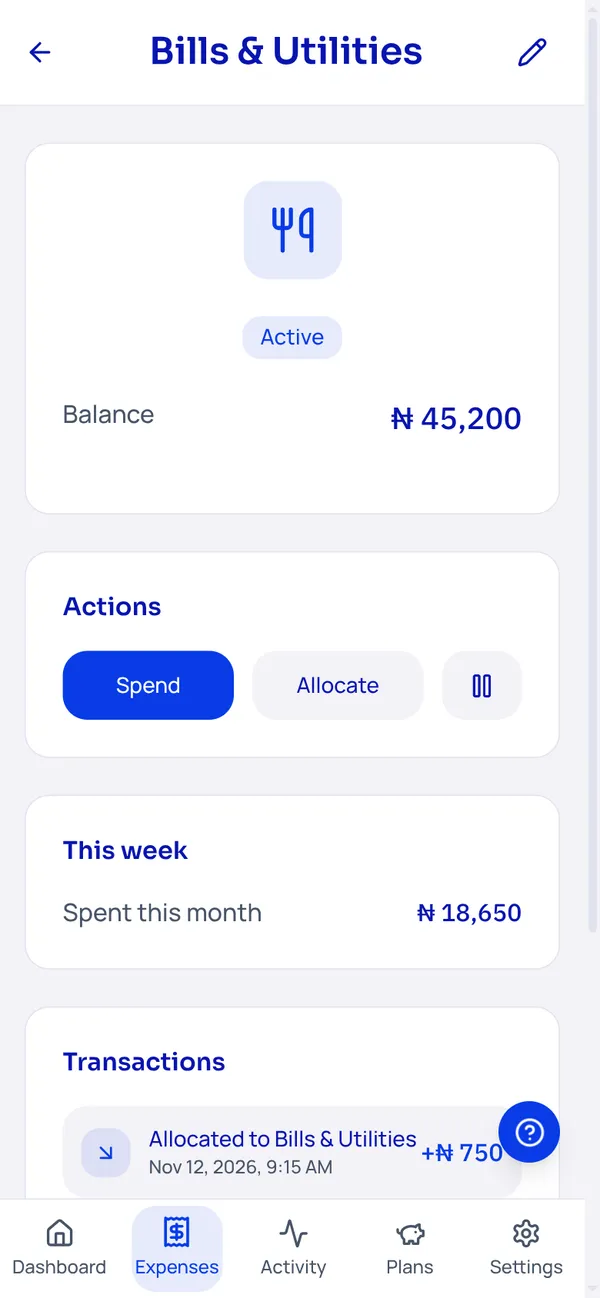
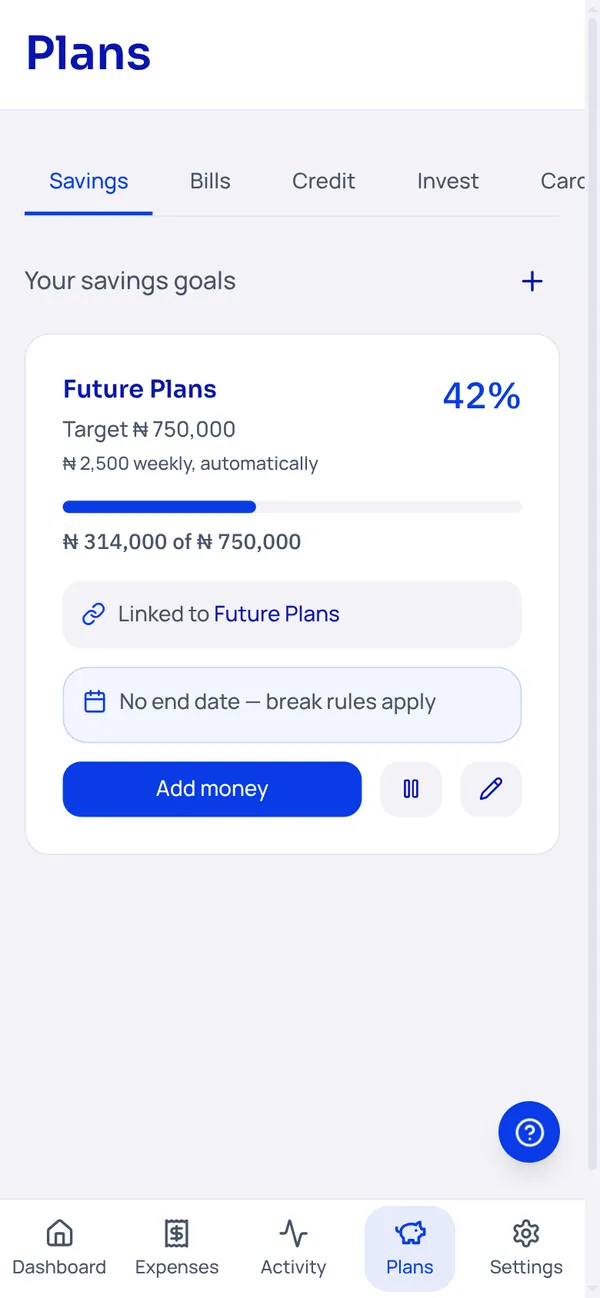
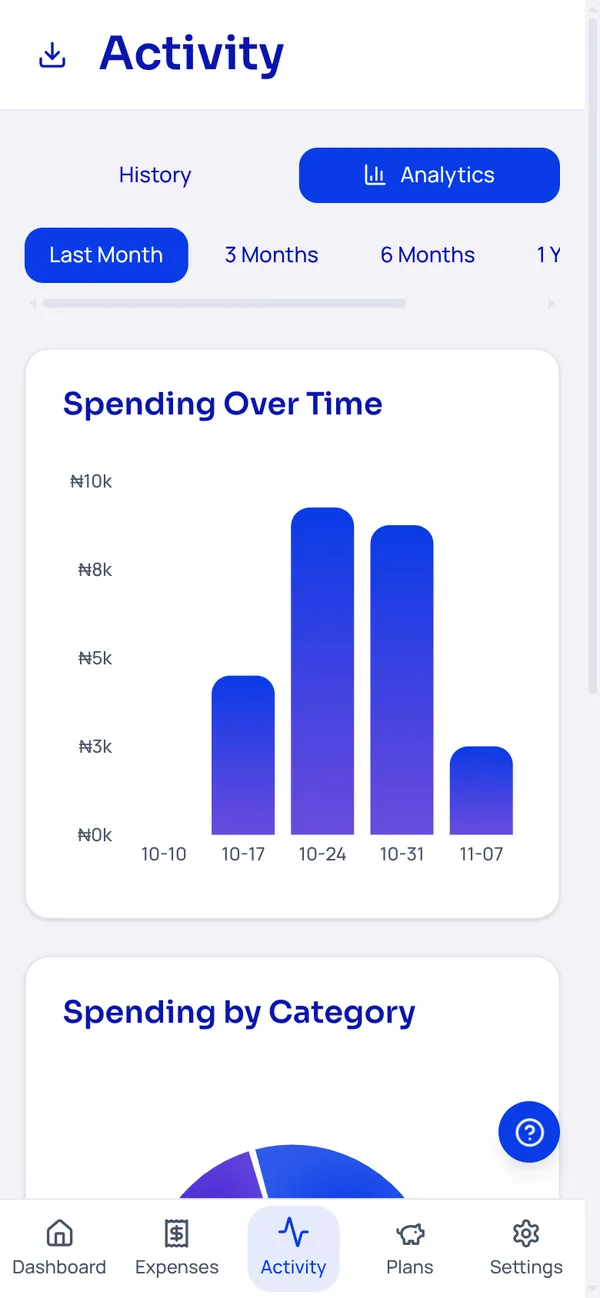
The ZeDI web app running locally on ZeDI's own demo account. The name, account number and balances are demo data, not a real customer.
The idea
Most budgeting apps report what you already spent. ZeDI moves the decision to before the spend: money lands in your wallet, you allocate it to expenses such as rent, bills or a "Tree" for family members, and you can only spend from an expense. There is deliberately no way to pay straight out of the wallet.
That rule is simple to say and strict to build, because it has to hold in every surface: the API, the React web app, the Expo mobile app and the admin console staff use for support and reconciliation.
What I built
- A double-entry ledger. Every movement of money is written as balanced debit and credit entries, in kobo, as integers. Balances can be rebuilt from the ledger, and the admin console compares stored balances against it.
- Payments that can't be replayed. Paystack webhooks are verified by signature, every money-moving request carries an idempotency key, and spending requires the user's PIN. A background job reconciles payments that never received a callback.
- Integrations. Paystack for funding, Payscribe for bills and airtime, Dojah for identity checks, Termii for SMS.
- Four front ends. React web app, Expo mobile app, Next.js admin console and the marketing site, sharing types with the API.
- Tests and CI. About 590 backend test cases, run in CI on every pull request and every push to main.
The hard part
Repairs. Early versions recorded some family "Tree" allocations without a matching ledger entry. Crediting those from the stored amount would have created money that never moved. Instead, the admin reconciliation page shows each mismatch next to its ledger balance, and a super admin can repair a balance only when the ledger proves it. The repair runs inside a serializable transaction, re-checks the exact figures that were reviewed and writes an audit record. Records the ledger can't prove stay visible in history but are never credited.
How I worked
I wrote ZeDI with AI coding assistants, and the commit history says so. I set the architecture and the money rules, recorded the big decisions in architecture decision records, and reviewed every change. The tests exist because a money app can't rely on the assistant being right.
Where it stands
ZeDI is in early access with invited testers on iOS and Android test builds. It is not in the public app stores yet, and I'm not quoting user numbers.