Student app
Browse campus vendors, order, pay from a wallet, card or transfer, and track the order. Built with Expo for Android and iOS, plus a web version.
My part: shared with my co-developer.
Work / Case study
Campus food delivery run by students. Customers order in the app or on WhatsApp, vendors sell at the counter on card terminals, and student runners deliver.
Condition: the same order can start in an app, a WhatsApp chat or at a counter terminal, and every naira has to land with the right vendor and runner.
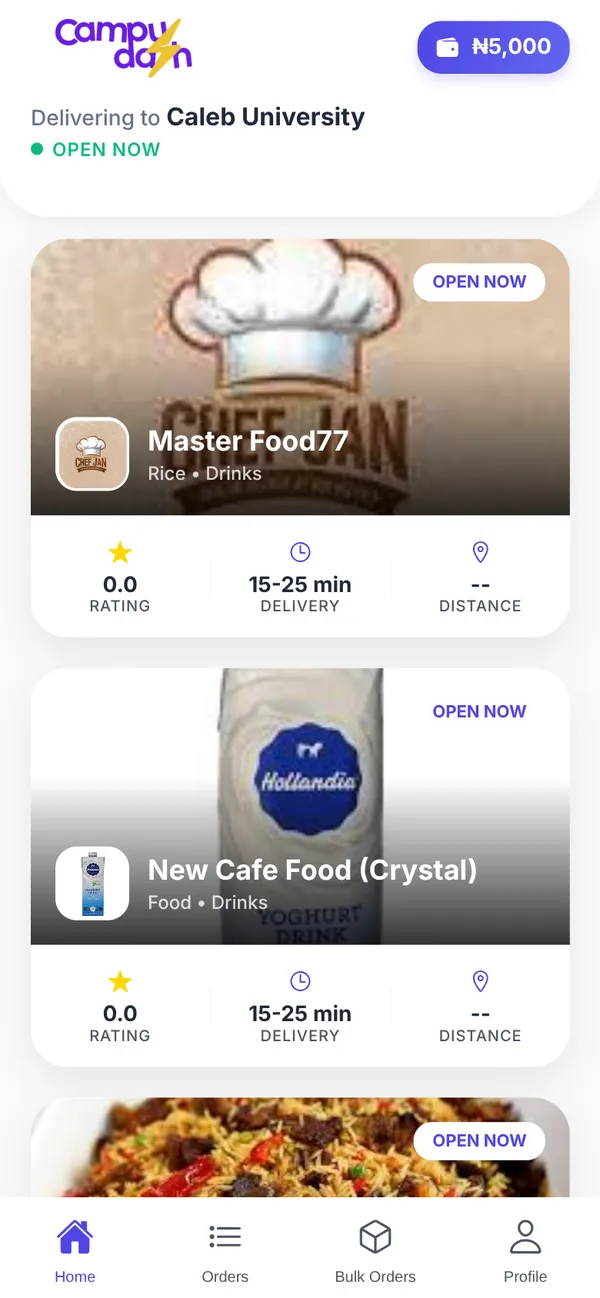
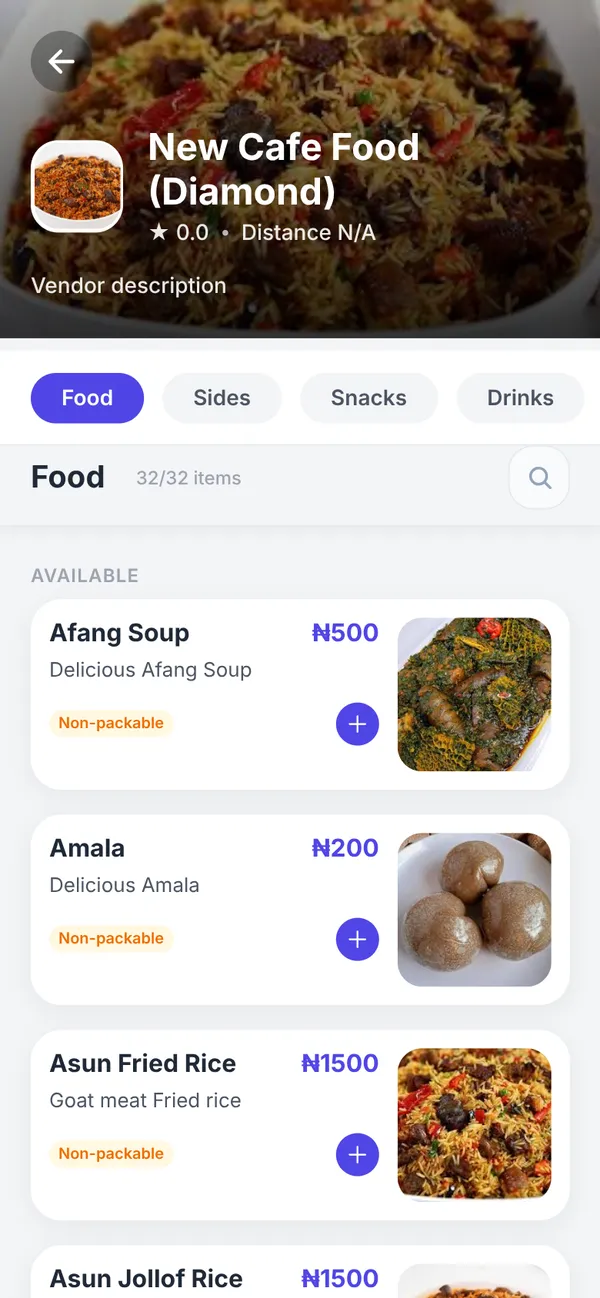
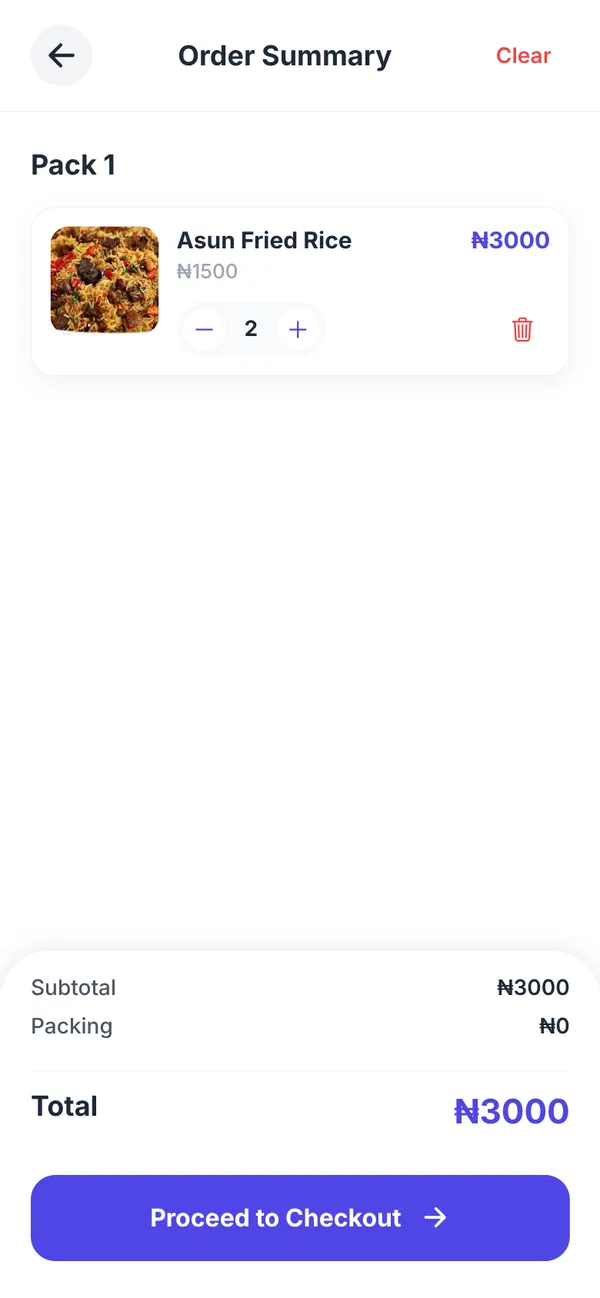
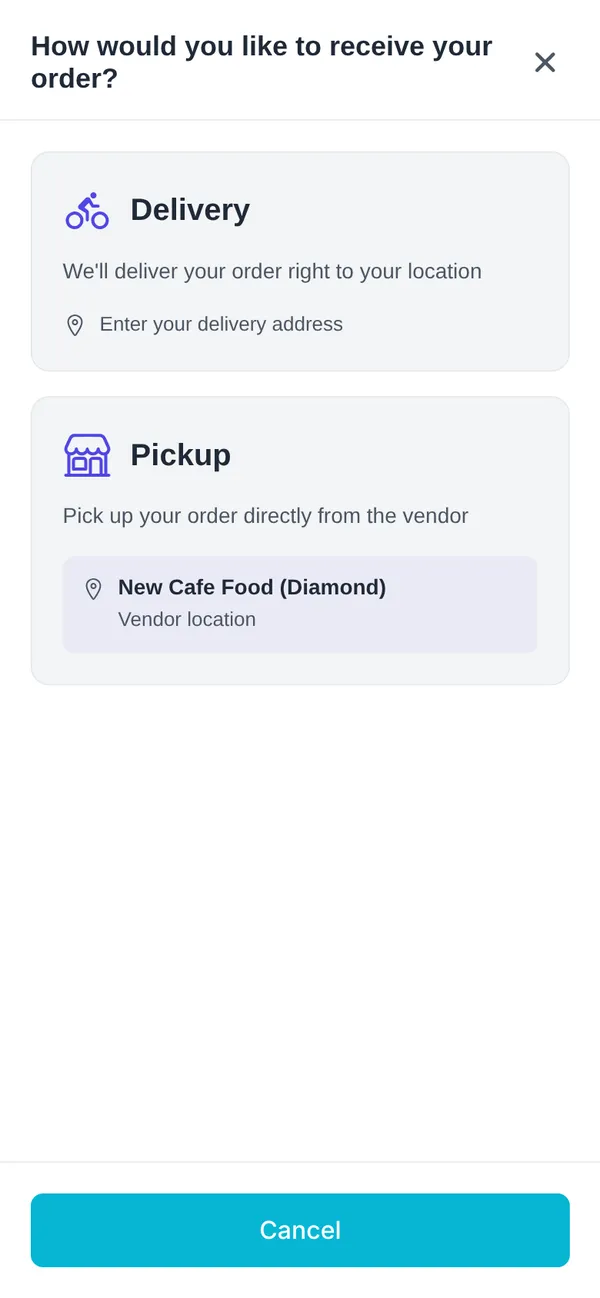
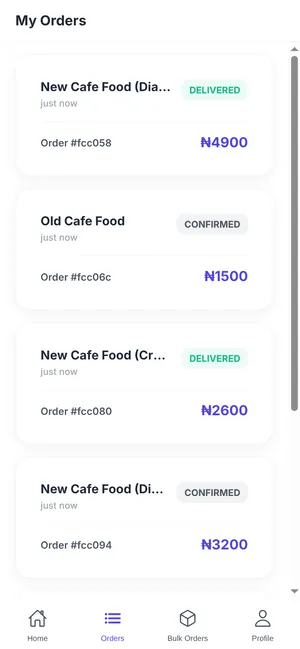
The student app, captured on a local copy of CampusDash loaded with Caleb University's real public menu. Customers, orders and balances are sample data.
Students want food delivered to a hostel or lecture hall. Campus vendors already take payment at a counter, often on a bank's card terminal, and plenty of students would rather send a WhatsApp message than install another app. A delivery product that only worked in its own app would miss most of the orders.
So CampusDash has several front doors: an Expo app with customer, runner and vendor roles, a WhatsApp ordering bot, a website that takes guest and bulk orders, and point-of-sale apps for the counter. They all write to one API.
The mobile app, admin dashboard and website were shared work. Commit history splits roughly evenly between the two of us on the API and admin, and my co-developer did more of the mobile app.
Every surface below reads and writes the same orders, menus and wallets.
Browse campus vendors, order, pay from a wallet, card or transfer, and track the order. Built with Expo for Android and iOS, plus a web version.
My part: shared with my co-developer.
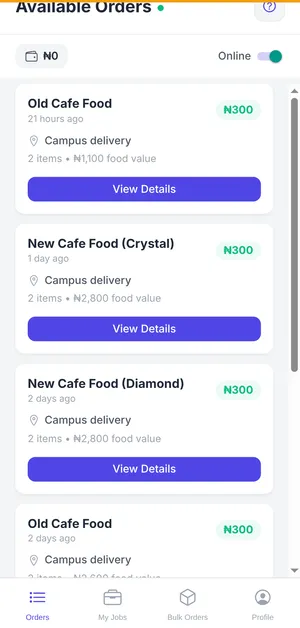
Students who deliver see open orders on their campus, accept a job, and are paid into their wallet once the customer's code confirms the handover. It's the same app with a different role.
My part: payout rules and the delivery-code check in the API.
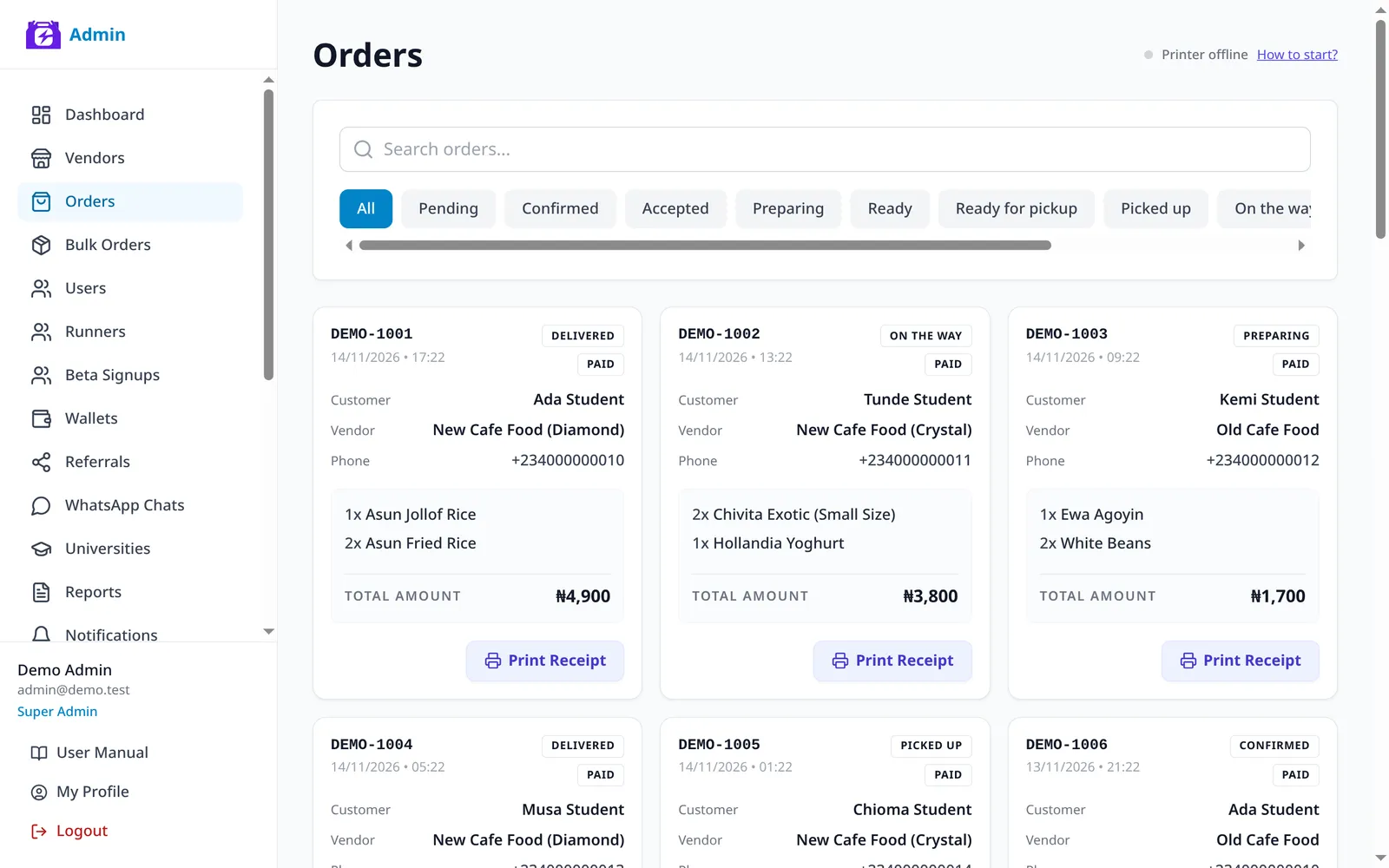
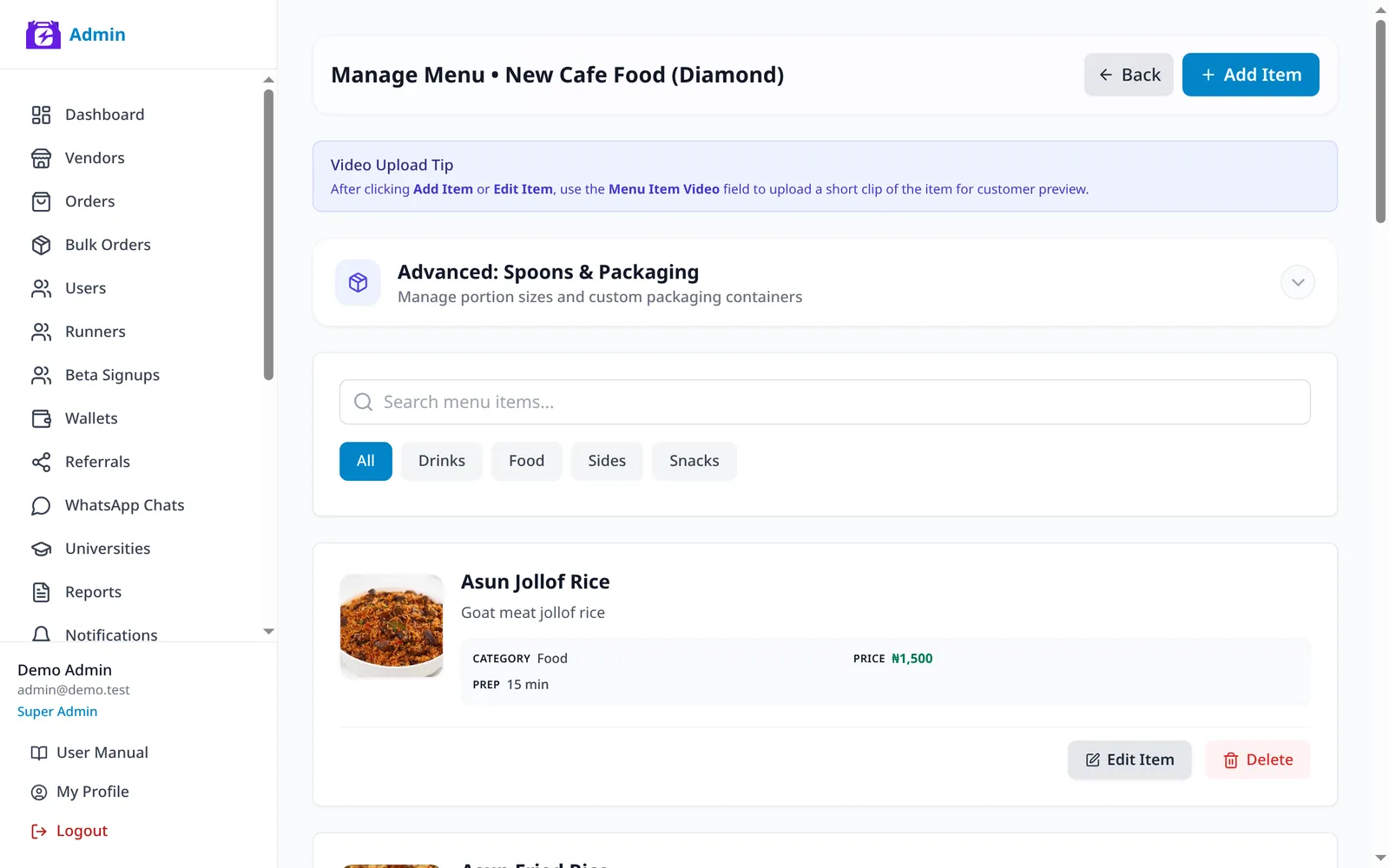
Staff watch every order live, filter by status, print receipts, and manage each vendor's menu, prices and packaging. Built with React.
My part: shared with my co-developer.
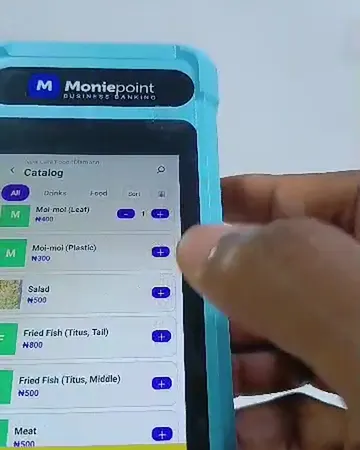
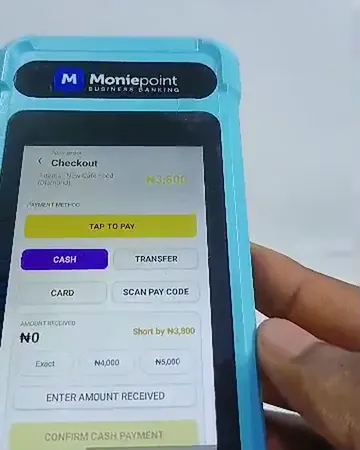
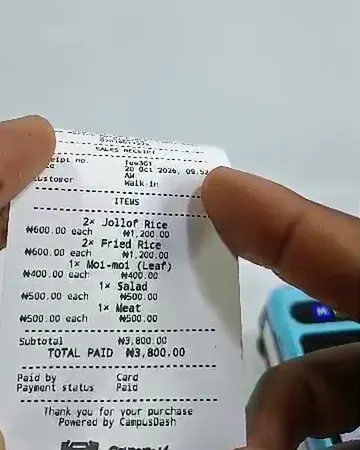
Vendors sell over the counter on Moniepoint and NEXGO card terminals or a desktop app, from the same menu, with printed receipts. The Moniepoint app keeps selling when the network drops.
My part: built these.
Students can order by chatting with a WhatsApp bot that walks them through vendor, items, delivery spot and payment, then hands the order to the same queue the runners see.
My part: shared with my co-developer.
No screenshot here: the conversations in the bot's logs belong to real customers.
Terminals lose signal, and a counter can't stop selling while they do. The Moniepoint app keeps sales in a local database and replays them when the connection returns. Each offline sale carries a one-time reference, and the API treats a replay of an already-settled sale as a success rather than a new charge, so the terminal can clear its queue without billing anyone twice.
I built the terminal side. The server route that accepts the replays was written by both of us. Each terminal maker's SDK also has its own payment flow and printer API, so the terminal apps stay thin: they take the payment on the device and send orders to the same API the app uses, which keeps reports and vendor balances in one place.
The website is live. The Android app is in testing, and Apple rejected the first iOS submission, so the app is not yet in either store. I'm not quoting user or order numbers here because I can't verify them.
Next, I'd work through Apple's review feedback and add end-to-end tests that run a terminal sale and an app order against the same vendor.